
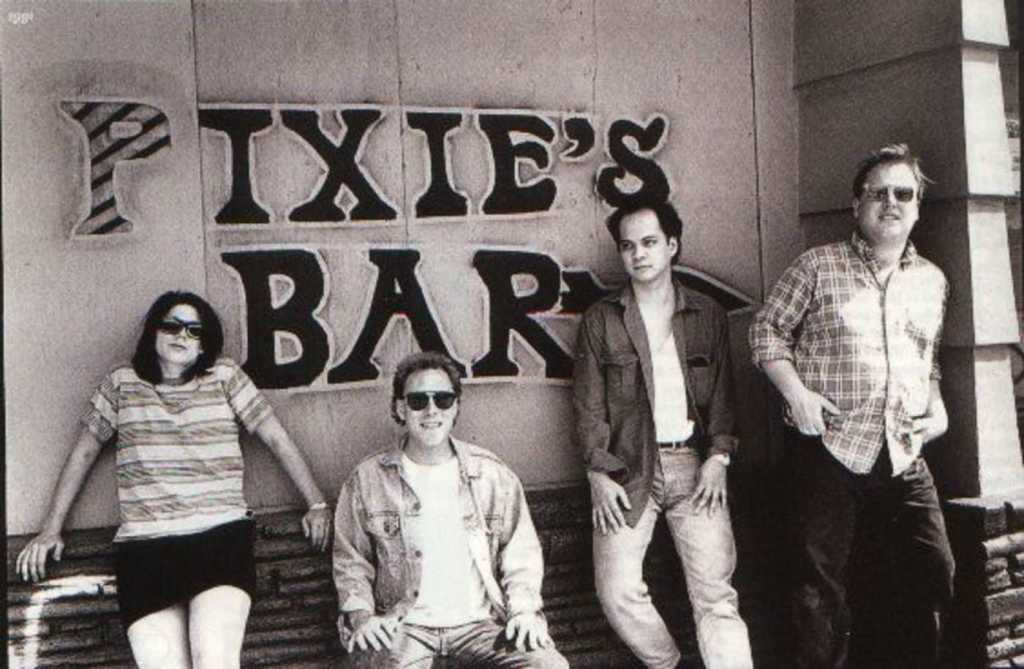
It was 1989. I had just returned from a year living in England as a student. That was the era of the cassette. We bought new music, old music, any music on cassette- and then made our own mix tapes, etc.

In England I visited two record (cassette) shops almost daily- Arcade Records (small , independently owned) and the Virgin Megastore (Closer to the Boots, the UK’s answer to Tower Records back then). I bought cassettes from local bands, a great new group called Jane’s Addiction, old Tom Waits & Lou Reed, and I bought music from Pixies from Boston MA. I thought it was cool they had been recorded by another Chicago former punk kid, Steve Albini.
In 1989 I bought Doolittle by The Pixies. Not since The Beatles Rubber Soul or Sgt. Pepper’s Lonely Hearts Club Band had a band broken such new ground in songwriting and creative spirit. Soon afterward I bought the preceding Pixies album Surfer Rosa (the one recorded by Albini). Either the disregard for, or ignorance of, the then norms of alternative rock band conventions made these records sound so fresh and interesting. As a fine art student, engrossed in European and American art of the 20th century, I was excited to hear a song with a reference to the (almost unknown among non-art history fans) 1921 surrealist film Un Chien Andalou. Lyrics using biblical themes pervade the record too. At the time I had been studying the bible as literature, after a suggestion by one of my English professors.
After returning home from England, I took a long drive to visit my friend in Michigan, and not realizing before I departed, I had neglected to bring my cassette collection case with me in the car. I only had one cassette, Doolittle. At that time, I could not be bothered to ever listen to commercial radio. So I did little but listen to each song, carefully and respectfully, multiple times. I remember that trip so well today because I had accidentally forced myself into a 6 hour long session of teaching myself how to listen. From Debaser to Gouge Away I learned how to hear just the guitars, or just the bass. How to pick out each individual drum. This type of audio deconstruction soon became a very help tool when I began to play & record music seriously after graduation. The sensitivity needed for hearing the individual parts, and how they weave together into each tapestry of a song was understood by me after that trip. Ever since, I can either hear something, or I can really listen to it, and better appreciate the work that goes into most popular music recordings since the 1970s.
When you add the sounds and recording itself together with the songwriting, it is easy to understand why this band is so great (and still making music, sans Kim Deal). No one sounded, no one screamed and wailed, then pulled back to raw purity like The Pixies at that time. Today so many successful musicians were also listening at the time, apparently, and cite this and other Pixies iconic recordings as influential.
I remember struggling to talk my band mates into covering the 1988 song Where is My Mind in 1991. This was 8 years before being used in the hit 1999 film Fight Club, and so many other films and TV shows since. They didn’t think anyone would know the song, so assumed it wouldn’t make a good cover. We played it anyway, and always enjoyed it.
Again, to me- in terms of ingenuity and impact on me as a music lover:
The Pixies = The Beatles. They deserve the same respect and admiration for the groundbreaking music.
Put that in yer smoke and pipe it.

 Metrognohm